After WWII: The Evolving Role of US Intelligence & Enemy Combatants
The aftermath of World War II presented an unprecedented landscape for global powers. As the dust settled on the battlefields of Europe and the Pacific, the United States found itself in a position of unparalleled influence, but also facing new and complex challenges. One of the most critical, and often ethically fraught, was how to deal with former enemy combatants and intelligence assets from the defeated Axis powers. This period was not just about justice; it was a crucible that forged the very foundation of modern US intelligence, shaping its methods, moral compass, and global reach for decades to come, including its later significant involvement in countries like Iran.
The Dawn of a New Era: Post-War Intelligence Imperatives
In the immediate post-World War II years, the strategic landscape shifted dramatically. The wartime alliance with the Soviet Union rapidly dissolved, giving way to the ideological struggle known as the Cold War. This new geopolitical reality forced US intelligence agencies, many of which were still nascent or undergoing restructuring, to make pragmatic, often controversial, decisions regarding individuals who had once been considered the enemy.
The imperative was clear: gain any advantage possible against the emerging Soviet threat. This meant not only dismantling former enemy intelligence networks but also identifying and recruiting valuable assets, particularly scientists, engineers, and intelligence operatives who possessed crucial knowledge or skills. This era saw a distinct paradox: yesterday's foes could become today's invaluable sources, if the strategic benefits outweighed the moral compromises.
German and Japanese Assets: A Double-Edged Sword
Perhaps the most well-known example of this post-war pragmatism was Operation Paperclip, which saw hundreds of German scientists, engineers, and technicians—some with documented Nazi Party affiliations or involvement in war crimes—brought to the United States. These individuals, deemed "enemy combatants" during the war, were now essential to advancing American rocketry, aerospace, and medical research, directly contributing to the space race and technological superiority against the Soviets. The rationale was simple: if the U.S. didn't acquire their expertise, the Soviets certainly would.
Similarly, in Japan, intelligence efforts focused on understanding the intricacies of Japanese society, military capabilities, and potential threats to post-war stability. While less publicized than Paperclip, the utilization of former Japanese intelligence figures and experts also played a role in understanding regional dynamics and containing potential communist influence in Asia. These actions, while strategically sound from a Cold War perspective, raised profound ethical questions about accountability and justice. To delve deeper into these specific historical actions, read our related article: US Intelligence and Post-WWII War Criminals.
The lessons learned from these complex engagements—navigating moral ambiguities, assessing long-term strategic benefits, and developing sophisticated intelligence-gathering techniques—would prove foundational for future US intelligence operations around the globe.
From Europe to the Global Stage: The Evolution of US Intelligence
The experience of WWII and its immediate aftermath directly led to the formalization of US intelligence efforts. The creation of the Central Intelligence Agency (CIA) in 1947 marked a significant step towards consolidating and expanding the nation's intelligence capabilities. No longer solely focused on wartime adversaries, the new intelligence apparatus was designed to gather information, conduct covert operations, and influence events globally to protect American interests and counter Soviet expansion.
As the Cold War intensified, the definition of "enemy combatant" began to broaden. It moved beyond uniformed soldiers of defeated nations to encompass individuals, groups, or even entire movements perceived as threats to US national security or aligned with rival ideologies. This shift propelled US intelligence into new theatres of operation, far beyond the initial post-war cleanup in Europe and Asia. The Middle East, with its vast oil reserves and strategic geographic position, quickly became a critical area of interest.
The Middle East and the Rise of Strategic Interests
The Middle East, rich in oil and geographically significant, became a key battleground in the Cold War's "Great Game." The US and its allies sought to prevent Soviet influence from expanding into the region, which was seen as vital for global energy supply and Western economic stability. This strategic imperative led to significant and often controversial Unveiling US Intelligence's Role with War Criminals, particularly in nations undergoing political transitions.
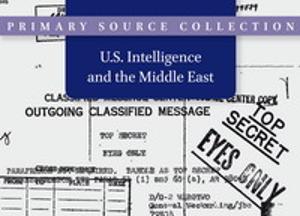
One of the most notable examples of this expanded scope involved us intelligence iran. In 1953, the CIA, in conjunction with British intelligence (MI6), orchestrated a coup d'état against the democratically elected Prime Minister Mohammad Mosaddegh. Mosaddegh's nationalist policies, particularly his move to nationalize Iran's oil industry, were viewed by the US and UK as a threat to their economic interests and a potential avenue for Soviet influence, effectively casting him and his supporters as an "enemy combatant" in the broader Cold War ideological struggle, despite their lack of direct alignment with the USSR.
This operation showcased the evolution of US intelligence beyond merely exploiting former Axis scientists. It demonstrated a sophisticated capacity for covert action, propaganda, and political manipulation designed to reshape foreign governments in line with US strategic objectives. The long-term implications of this and similar interventions shaped geopolitical realities in the Middle East for decades, cementing the region as a hotbed of US intelligence activity. The early lessons from handling diverse "enemy combatants" and intelligence assets post-WWII provided a playbook for these more complex, politically charged operations where the enemy was often less defined and more entrenched within sovereign nations.
Enduring Legacies and Ethical Quandaries
The post-WWII period and the subsequent Cold War era left an indelible mark on US intelligence. The decisions made regarding German and Japanese "enemy combatants" – weighing justice against strategic advantage – set a precedent for later actions. The development of sophisticated covert operations, exemplified by activities involving us intelligence iran, highlighted the expanding mandate and capabilities of intelligence agencies.
These historical events underscore a continuous tension in intelligence work: the pragmatic pursuit of national security objectives versus ethical considerations and democratic values. The handling of former Axis personnel, the instrumental role of US Intelligence and Post-WWII War Criminals, and later interventions such as in Iran, all illustrate this complex balance. Each decision, whether to recruit a former Nazi scientist or to orchestrate a coup, carried significant implications, shaping foreign policy, international relations, and the public perception of US power.
Understanding this intricate history offers valuable insights into the formation of modern intelligence doctrine. It demonstrates how the definition of "enemy combatant" can evolve from a wartime adversary to a political rival, and how intelligence agencies adapt their methods to meet new global challenges. The legacy of these choices continues to inform debates about transparency, accountability, and the proper role of intelligence in a democratic society.
In conclusion, the period immediately following World War II was a transformative era for US intelligence. Faced with the monumental task of rebuilding a war-torn world and countering new ideological threats, intelligence agencies made critical decisions that shaped their operational methodologies and ethical boundaries. From the controversial recruitment of former German and Japanese assets to the burgeoning covert operations that defined early Cold War engagements, such as the pivotal role played by us intelligence iran, this period laid the groundwork for the global intelligence apparatus we know today. These historical precedents continue to offer invaluable lessons on the enduring complexities of national security and the difficult choices inherent in global power dynamics.